Full-face, modular or open-face: which helmet suits how you ride?
A full-face helmet is closed, a modular flips open and an open-face leaves your face free. Here is how to choose between them and how to read the ECE label.
Popular picks from this guide
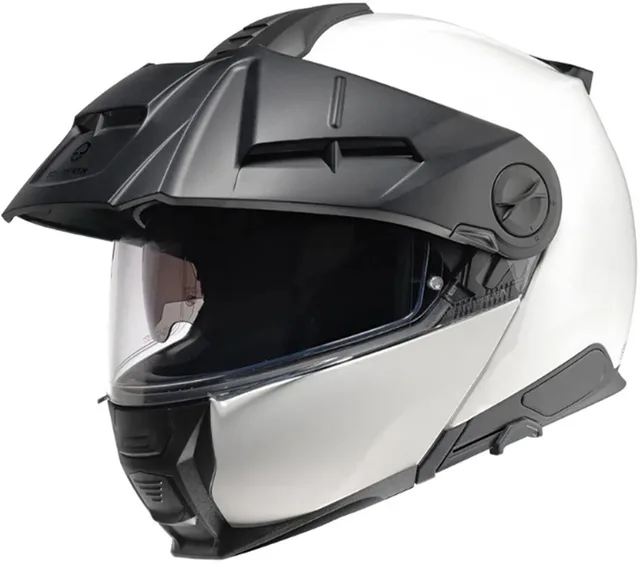
Popular products at today's lowest price. Compare every shop on the product page.
Short answer: A full-face helmet is closed and made in one piece, a modular helmet has a chin bar that flips up, an open-face helmet leaves your face free. Choose by how and where you ride, and check the label for ECE 22.06 approval; on a modular helmet that label also tells you whether you may ride with it open.
Road helmets in Europe are approved under the UN regulation ECE 22. The details below come from that regulation and from the manufacturers' product data. Piegga doesn't test helmets itself; always follow your helmet's manual.
Three types side by side
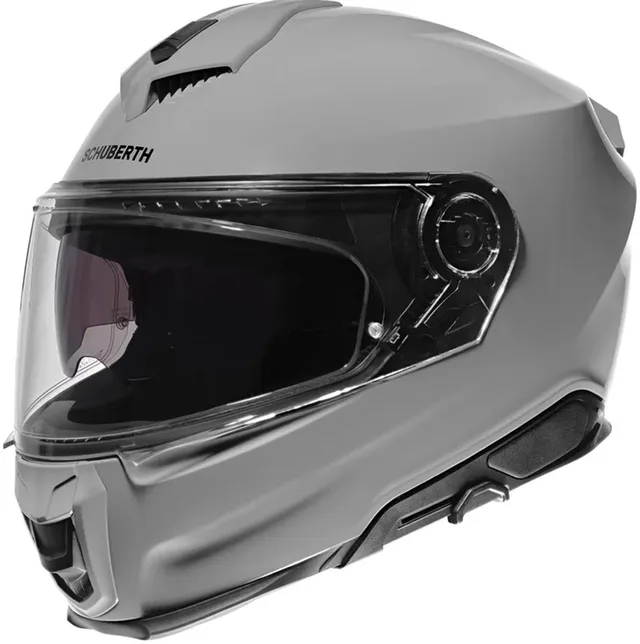
A full-face helmet has a fixed chin bar and a visor. Shell and chin bar are one piece. You see it on sports bikes, tourers and scooters. Examples are the Shoei NXR 2, the Schuberth S3 and the Scorpion Exo-391.
A modular helmet, also called a flip-up or system helmet, has a chin bar you lift. At a stop or the petrol station you can talk and drink without taking it off. Examples are the Schuberth C5, the Scorpion Exo-930 Evo and the LS2 FF906 Advant.
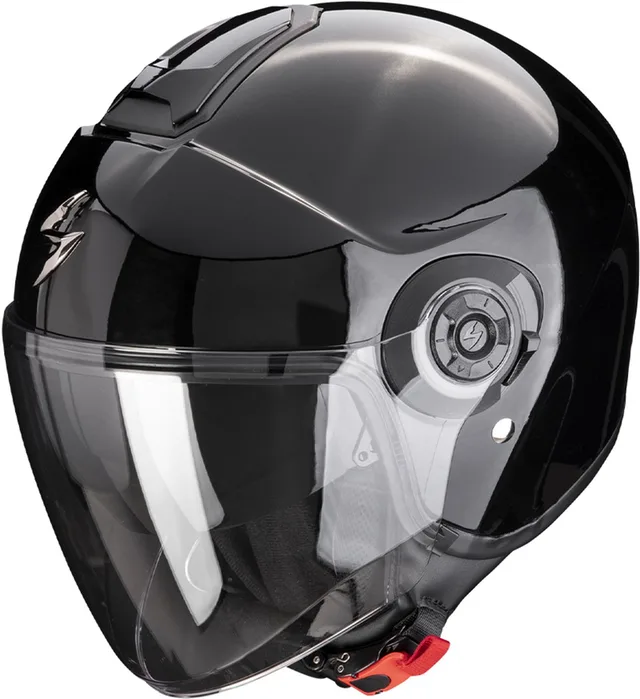
An open-face or jet helmet leaves the face free and often has a visor or a sun visor. It is airy and light, and common on scooters and classic bikes. Examples are the Scorpion Exo-City II, the LS2 OF616 Airflow II and the Schuberth O1.
Full-face, modular and open-face
- Shoei
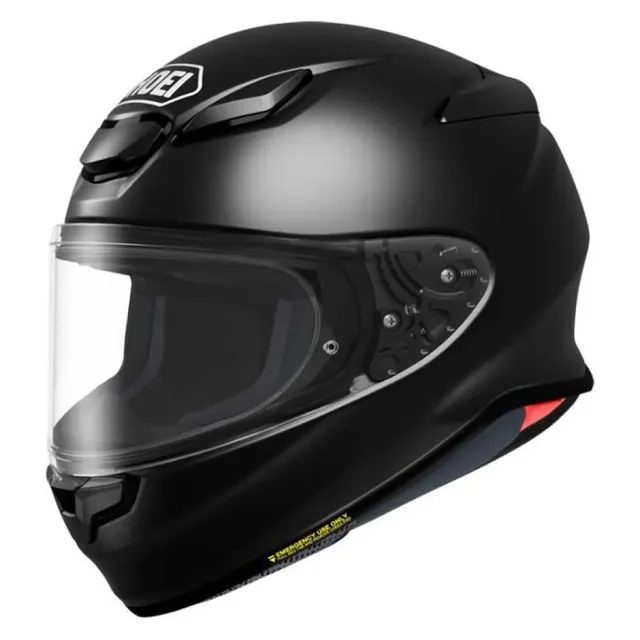
Nxr 2 Integraalhelm
From €543.98 · at 1 shop
- Schuberth
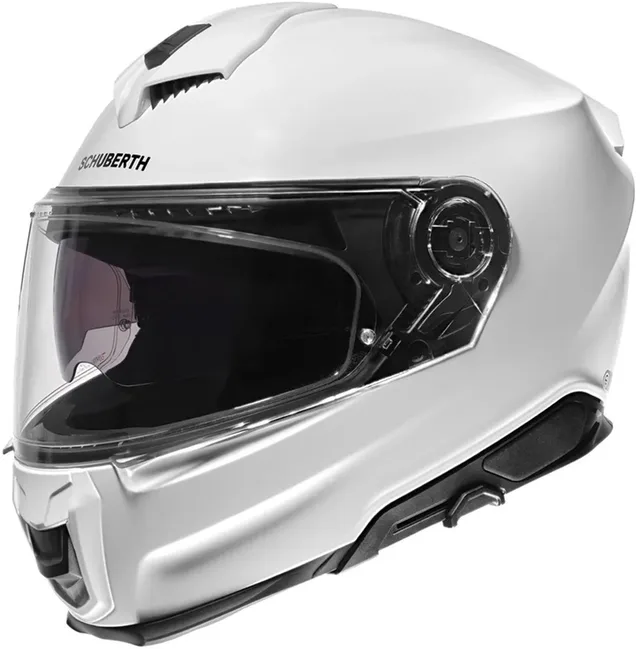
S3 full face helmet
From €454.25 · at 1 shop
- Schuberth
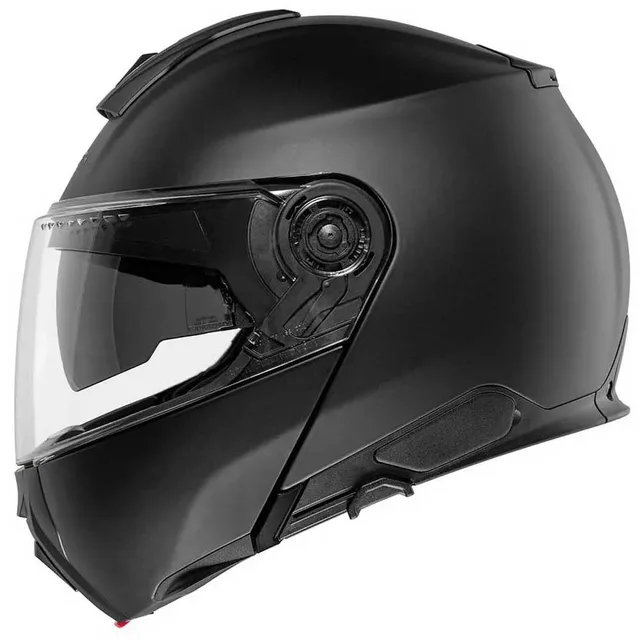
C5 Solid Modulaire Helm
From €519.99 · at 3 shops
Lowest in 22 days
- LS2
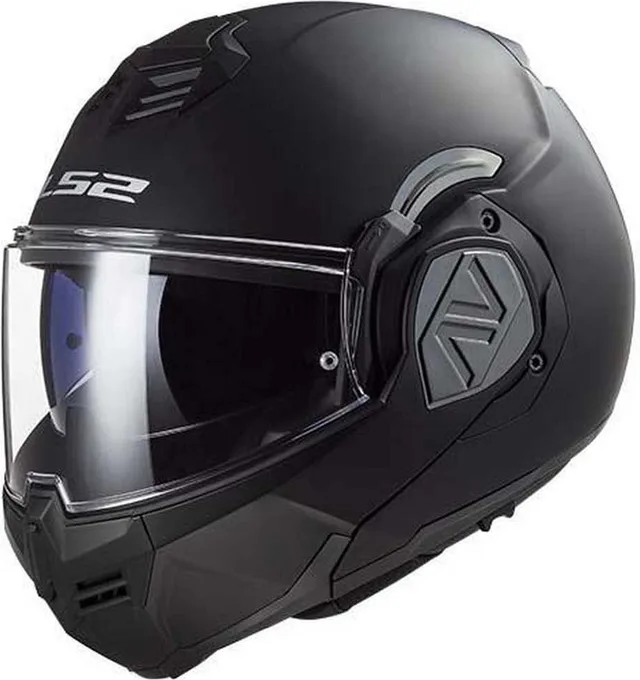
FF906 Avant Noir systeemhelm XL
From €186.75 · at 3 shops
- Scorpion
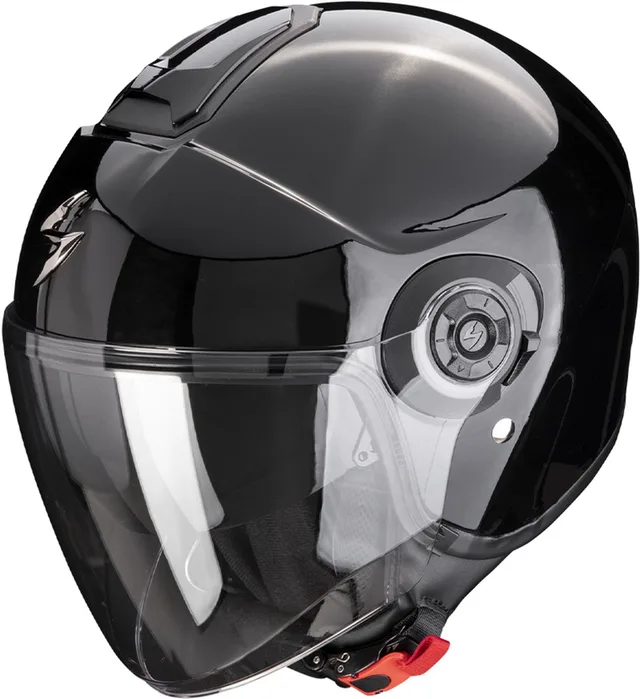
Exo-City II Glossy Black
Jethelm · Motorhelm · ECE 22-06 gekeurdFrom €116.98 · at 2 shops
Lowest in 22 days
- LS2
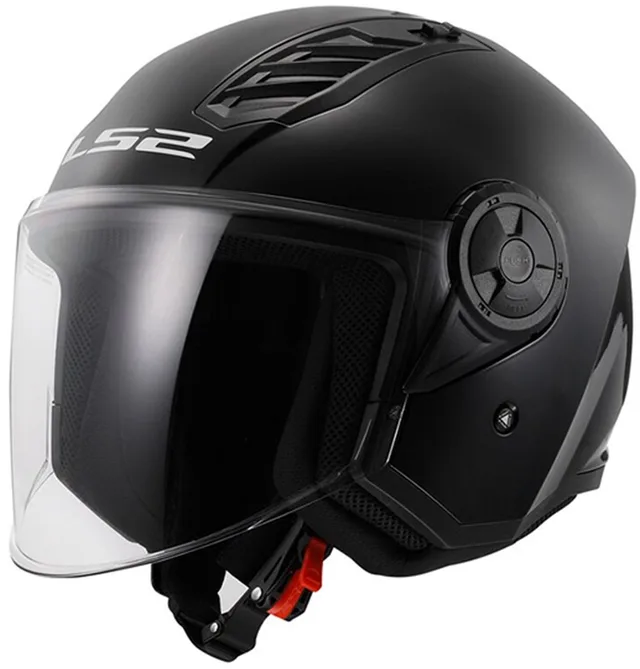
OF616 Airflow II Solid Gloss Black 06 Jethelm
From €49.98 · at 2 shops
Lowest in 26 days
Reading the ECE label
Every approved helmet has a label sewn to the chin strap. It shows an E with a number for the country that approved the helmet, and an approval number. If that number starts with 06, the helmet is approved under ECE 22.06, the version that now applies to new helmets. Many makers put it in the product name, like Scorpion with "ECE 22-06 gekeurd" or Caberg with "ECE 22.06 gekeurd".
The label also carries a letter for the chin bar:
- J: an open-face helmet, without a chin bar.
- NP: a chin bar that does not protect the chin.
- P: the chin bar protects; this is how a full-face helmet is approved.
- P/J: a modular helmet approved both closed and open. You may also ride with the chin bar up.
If a modular helmet shows only P, it is approved closed only. MT Helmets puts it in the name of the Genesis SV: "systeemhelm P/J".
When to choose which
Long rides and motorways: a full-face or modular helmet closes your face off from wind and rain. A full-face has no hinge in the chin bar; a modular is handy at stops and if you wear glasses.
Touring with stops: a modular helmet with a P/J label, because you lift the chin bar to fill up, pay or talk without taking the helmet off. Look at the weight the maker states: the mechanism in the chin bar adds to it.
Town and scooter: an open-face helmet is open and airy. In rain and cold your face is in the wind. An open-face with a long visor, like the Nolan N20-2, covers more.
Off road: for dirt there are motocross helmets without a visor and adventure helmets with a peak and a visor, like the O'Neal D-SRS. Caberg makes the Tourmax as a modular in enduro shape, LS2 the OF606 Drifter as a multi helmet.
Visor, sun visor and Pinlock
Many helmets have a sun visor that slides down inside the shell, like the Axxis Panther SV. Then you don't need sunglasses under the helmet. A Pinlock is an inner visor held on the visor by two pins that helps against fogging; Caberg mentions it for the Tourmax. Whether a visor is ready for a Pinlock is stated by the maker.
Modular, adventure, open-face and full-face with visor
- Caberg
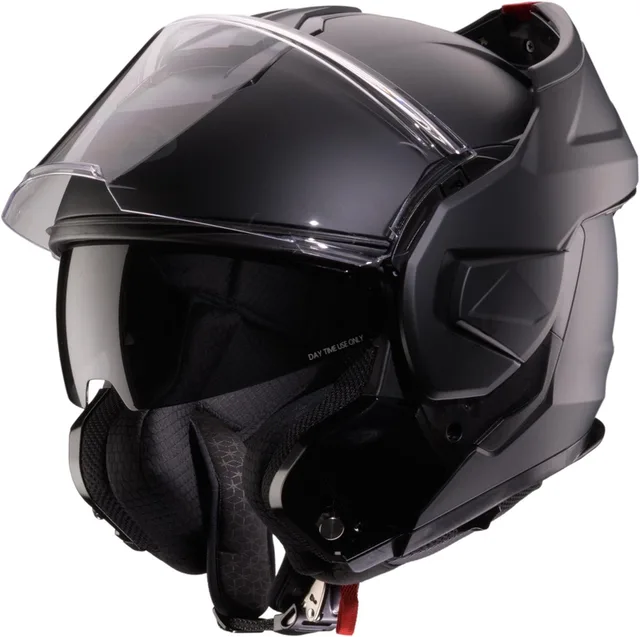
Trip
Reverse motor helm · Moulaire helm€249.95 · at 1 shop
- Caberg
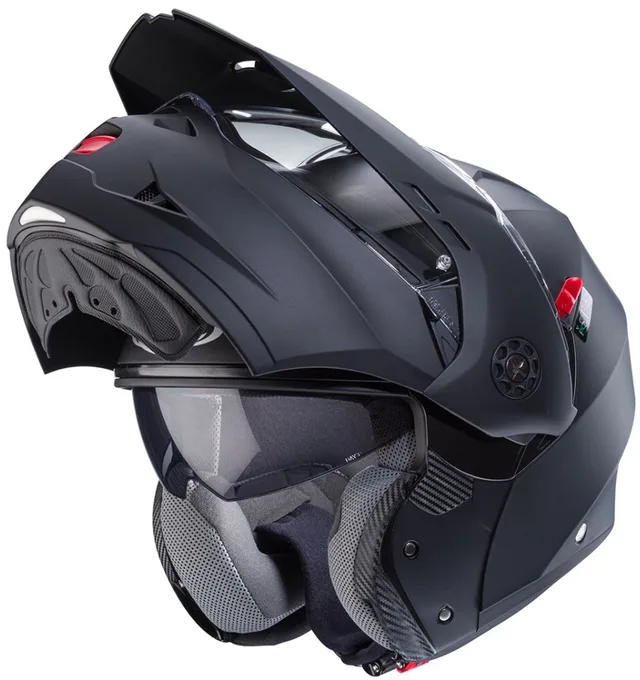
Tourmax systeemhelm
Enduro helm€179.95 · at 1 shop
Lowest in 22 days
- O'Neal
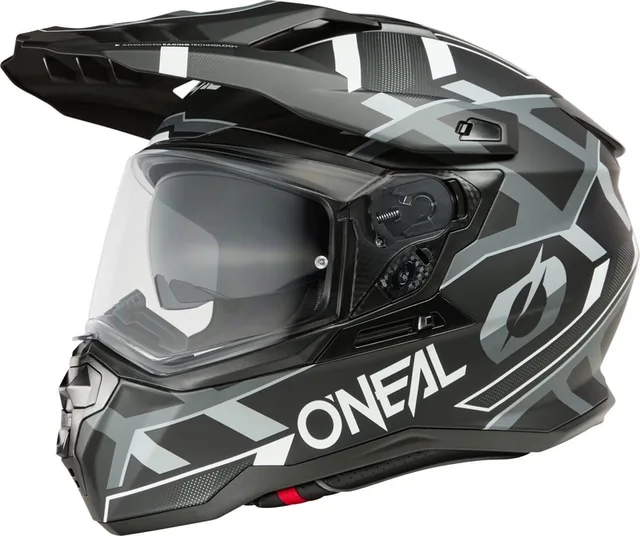
D-SRS Square V.25 Matt Black Grey White Adventure Full Face Helmet
Maat MFrom €136.98 · at 2 shops
Lowest in 26 days
- LS2
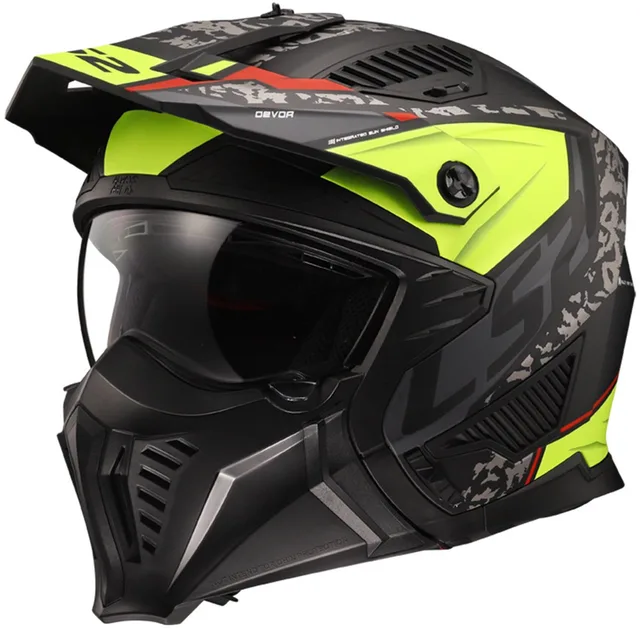
OF606 Drifter Devor Matt Black H-V Yellow Multi Helmet
€108.90 · at 1 shop
- Nolan
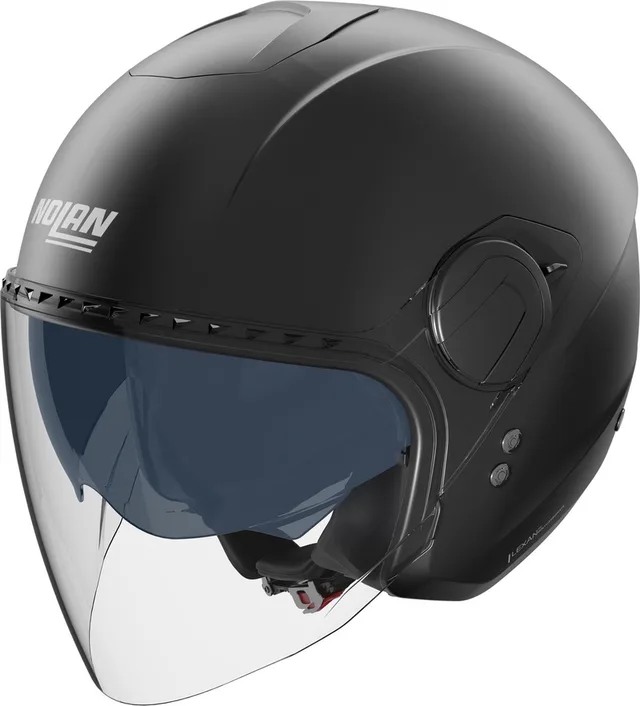
N20-2 VISOR CLASSICO 302 XS matt black open face helmet
with visorFrom €150.98 · at 2 shops
- Axxis
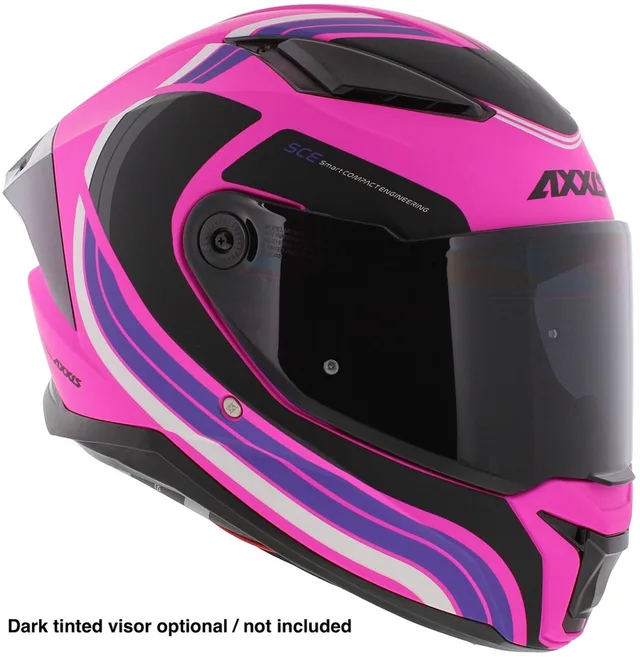
Panther SV integraal helm Tribute L
Motor / Scooter / Brommer€89.90 · at 1 shop
- Airoh
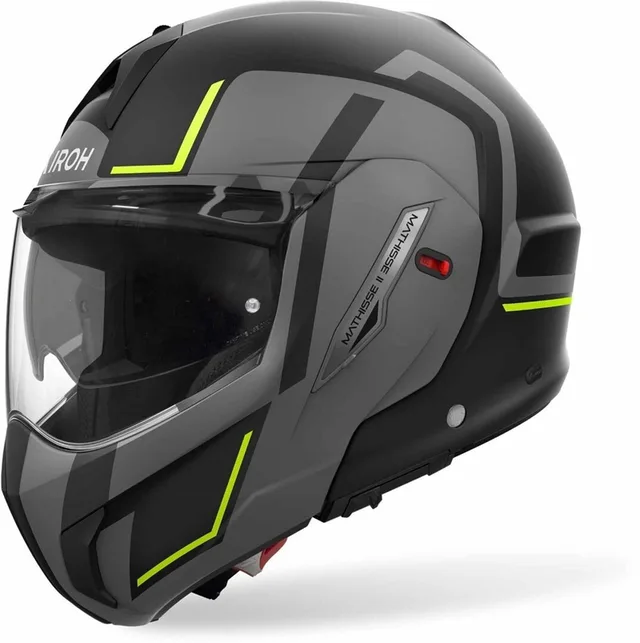
Mathisse II Genius Matt Black Grey Yellow Modular Helmet M
Maat MFrom €234.98 · at 2 shops
Lowest in 26 days
Intercom and fit
If you want an intercom, check whether the helmet is prepared for one. Schuberth makes its SC2 system for its own helmets, which fits into the shell; other makers leave room for speakers in the lining. There is more in the guide to intercoms.
Whichever type you choose, the helmet has to fit. How to find your size is in the guide to helmet size.
Comparing prices
Every type is under helmets, with brands such as Schuberth, Scorpion, Shoei and LS2. Every size and colour has its own EAN, and Piegga compares them one by one.
Frequently asked questions
What is the difference between a modular and a full-face helmet?
A full-face helmet has a fixed chin bar. On a modular helmet the chin bar lifts, so you can talk or drink without taking the helmet off. The mechanism adds weight; compare the weight the maker states.
Can you ride with a modular helmet open?
Only if the ECE label says P/J. Then the helmet is approved both closed and open. If it shows only P, ride with the chin bar down.
How can you tell a helmet has ECE 22.06?
From the label sewn to the chin strap: the approval number starts with 06. Many makers also put it in the product name.
Is an open-face helmet fine for the motorway?
An open-face helmet with the J label is approved for the road, motorways included. Your face is in the wind and rain, though; a full-face or modular helmet closes it off.
Keep looking
Piegga doesn’t test products itself. This guide sets out what manufacturers state.
Products from this guide
Popular products with a current price at the shops. Compare the prices on the product page.
- Schuberth
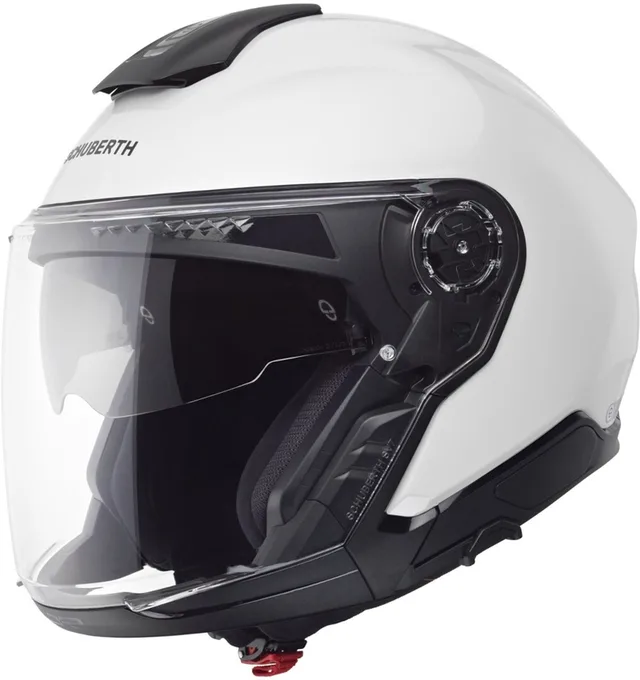
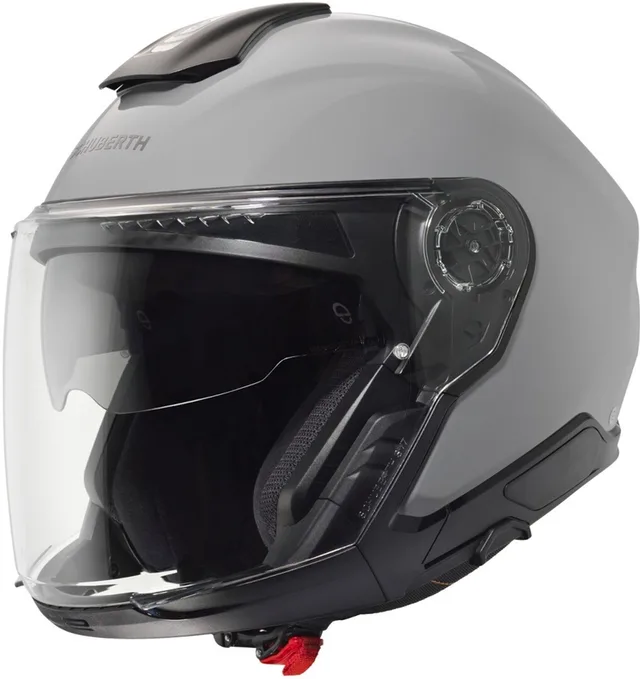
J2 Jethelm
From €416.75 · at 1 shop
- LS2
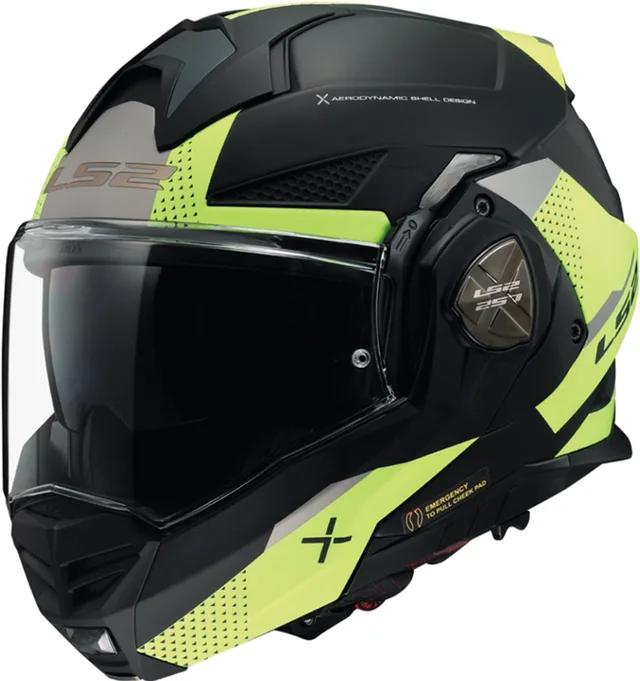
FF901 Advant X Oblivion Mat Zwart H-V Systeemhelm
From €196 · at 3 shops
Lowest in 26 days
- Scorpion
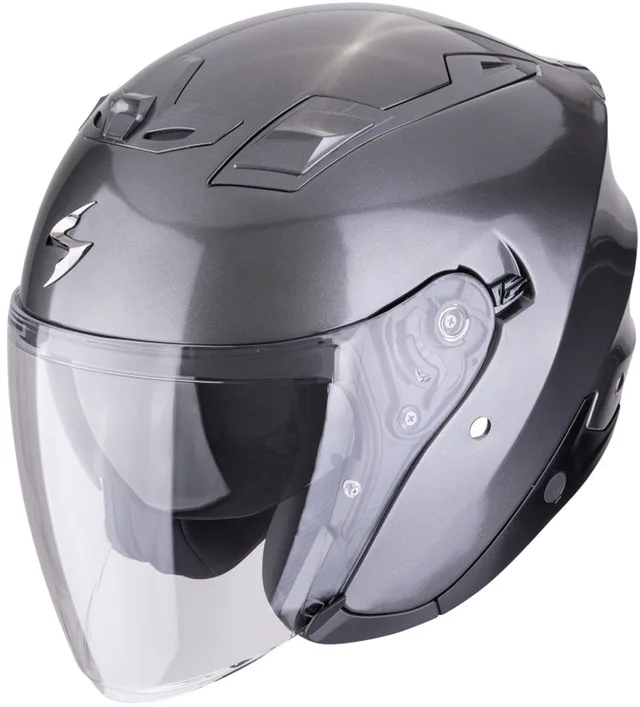
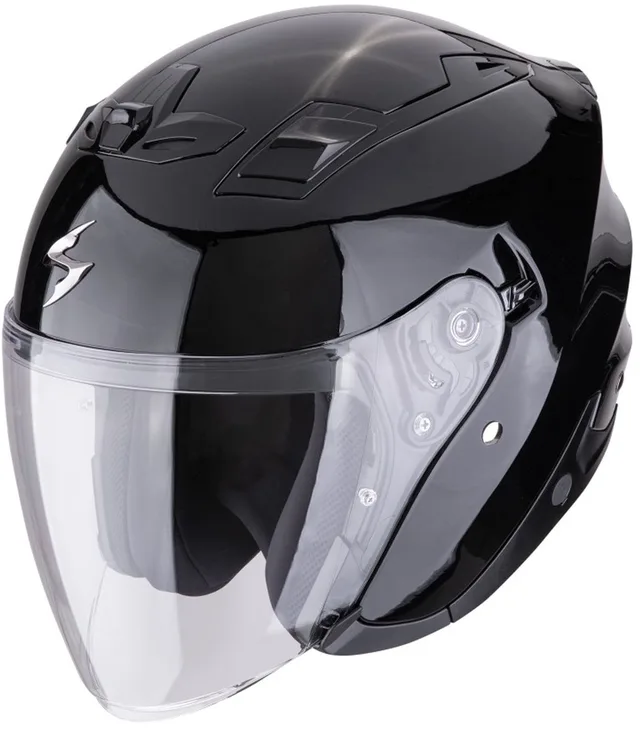
EXO-Z1 Metallic Jethelm
From €163.98 · at 3 shops
- Shoei
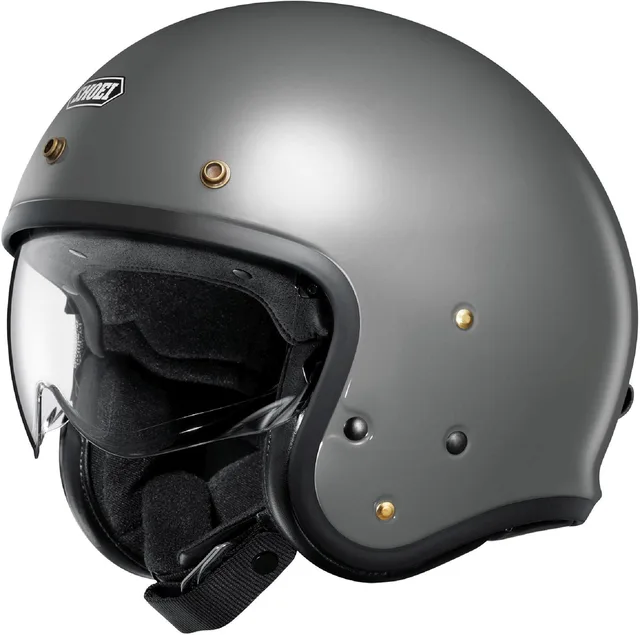
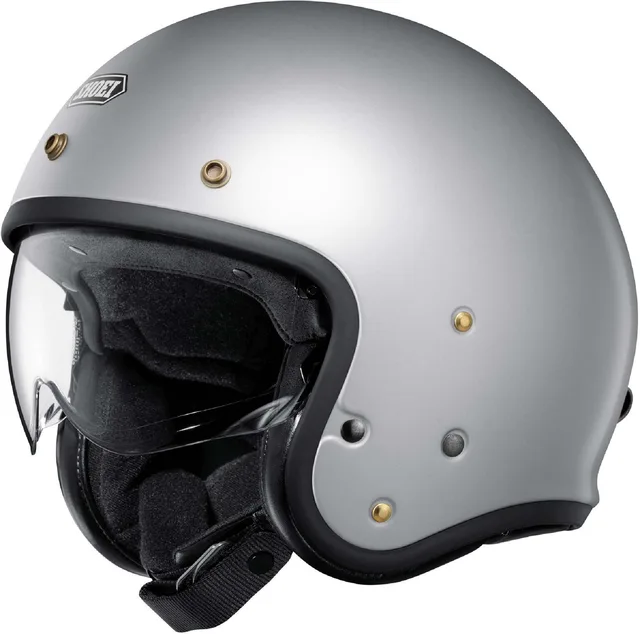
J.O2 Jethelm
From €399.95 · at 1 shop
- Shoei
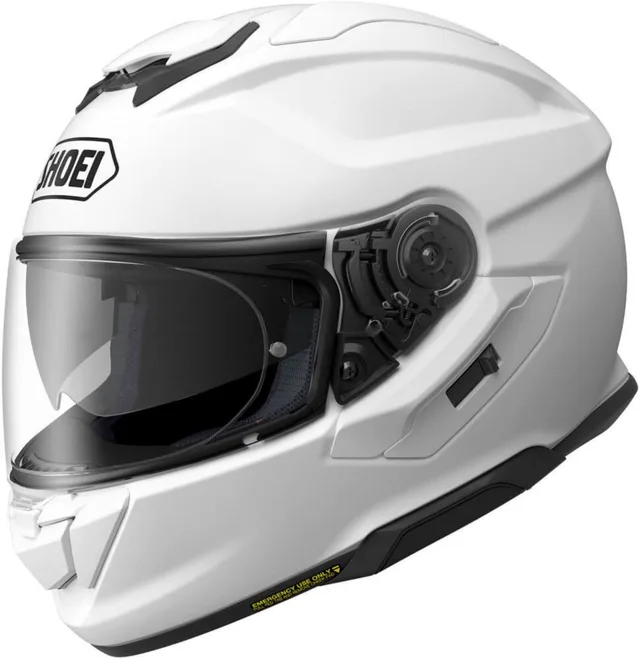
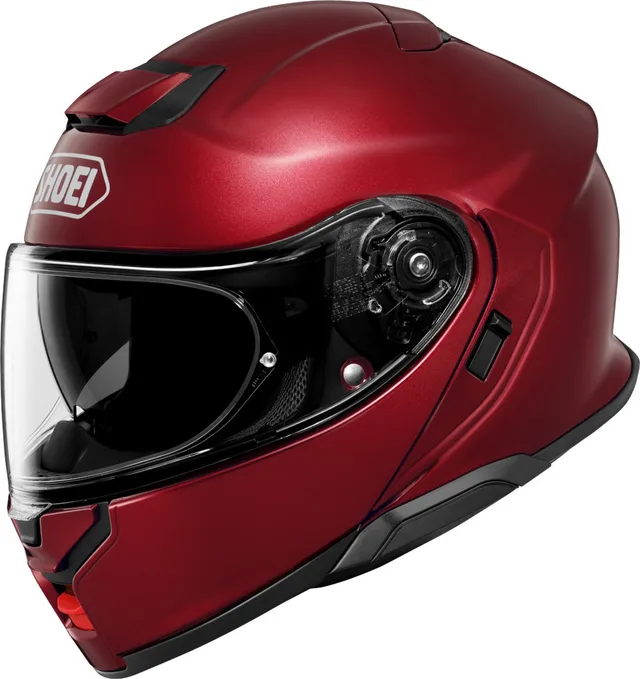
Neotec 3 Systeemhelm
From €669.95 · at 1 shop
Lowest in 22 days
More buying guides
- What size motorcycle helmet? Measuring your head and checking the fit You buy a motorcycle helmet by your head circumference in centimetres. Here is how to measure it, find your size per brand and check the fit when you try one on. Read the guide
- Motorcycle intercom: Bluetooth or mesh, and will it fit? Music, navigation, calls or talking to your passenger and group: here is how to choose between a Bluetooth headset and mesh, and how to see if an intercom fits your helmet. Read the guide